If you've spent an evening hopping between short videos and come up feeling oddly foggy, restless, and unable to focus on anything longer than a minute, you already know what brain rot feels like.
The term started as internet slang and went mainstream fast. Oxford University Press even picked "brain rot" as its Word of the Year for 2024. Here's what it means, why it happens, and how to get your focus back.
What does brain rot mean?
"Brain rot" describes the mental fog and shortened attention span people feel after consuming a lot of low-effort online content, especially endless short videos and feeds. It's also used for the content itself: the bizarre, hyper-repetitive memes and clips that are fun for a second and forgettable the next.
It's not a medical diagnosis. It's a cultural shorthand for something a lot of people are noticing in themselves: I spend hours on my phone and come away feeling worse, not better.
Common signs of brain rot
You might be dealing with a case of brain rot if you notice:
- Trouble focusing on anything longer than a short clip, like a book, a movie, or a work task.
- Reaching for your phone automatically, sometimes without remembering why you picked it up.
- Feeling restless or bored the moment there's nothing on a screen.
- Losing track of time while scrolling, then feeling a little guilty about it.
- A foggy, drained feeling after a long session instead of feeling rested.
- Inside jokes and phrases from your feed creeping into how you talk and think.
None of this means anything is broken. It means your habits have drifted toward fast, effortless content, and your attention has adapted to match.
Why short-form content leaves you feeling foggy
Short videos and endless feeds are designed to be easy to start and hard to stop. Every swipe offers something new, there's no natural ending, and the next clip is always one flick away.
That constant novelty is fun in the moment, but it trains a habit of switching rather than settling. Over time, slower activities like reading, deep work, and even conversations can start to feel effortful by comparison. The good news: habits that were learned can be unlearned, and attention tends to bounce back when you give it room to.
How to recover from brain rot
Recovering from brain rot is less about quitting the internet and more about rebalancing. These steps help:
Cut back on your biggest feed
Pick the one app that drives most of your scrolling and set a daily limit. You don't have to delete it. Just make it a smaller part of your day. Our guide on how to reduce screen time on iPhone shows exactly how to set this up.
Practice longer attention on purpose
Attention is like a muscle. Give it reps:
- Read for 15–20 minutes without your phone nearby.
- Watch one full movie or episode without checking your phone.
- Try a timed focus session for work or study, and gradually make it longer.
It'll feel uncomfortable at first. That discomfort is the point. It fades as your focus comes back.
Fill the gap with real-life habits
When you scroll less, you need something to do with that time, or the phone wins by default. Cooking, walking, journaling, tidying, music, and exercise all give your brain a slower, more satisfying kind of reward. Here are 15 things to do instead of scrolling if you need ideas.
Protect your mornings and nights
The first and last hour of the day set your mood and your sleep. Try not to start your morning in a feed, and keep your phone out of bed at night. Those two changes alone make a noticeable difference for most people.
Take a short reset
Some people like a structured break from high-stimulation apps for a few days. If that sounds helpful, read our gentle dopamine detox guide, which separates the useful parts of the trend from the hype.
Brain rot vs. normal relaxing
Not all scrolling is brain rot. Watching funny videos with a friend, catching up on something you love, or unwinding for a bit after a long day is just being a person.
The difference is how you feel after. If you finish a session feeling rested and entertained, great. If you finish feeling foggy, behind, and annoyed you lost an hour, that's the kind worth cutting back.
Turning brain rot into brain ripe
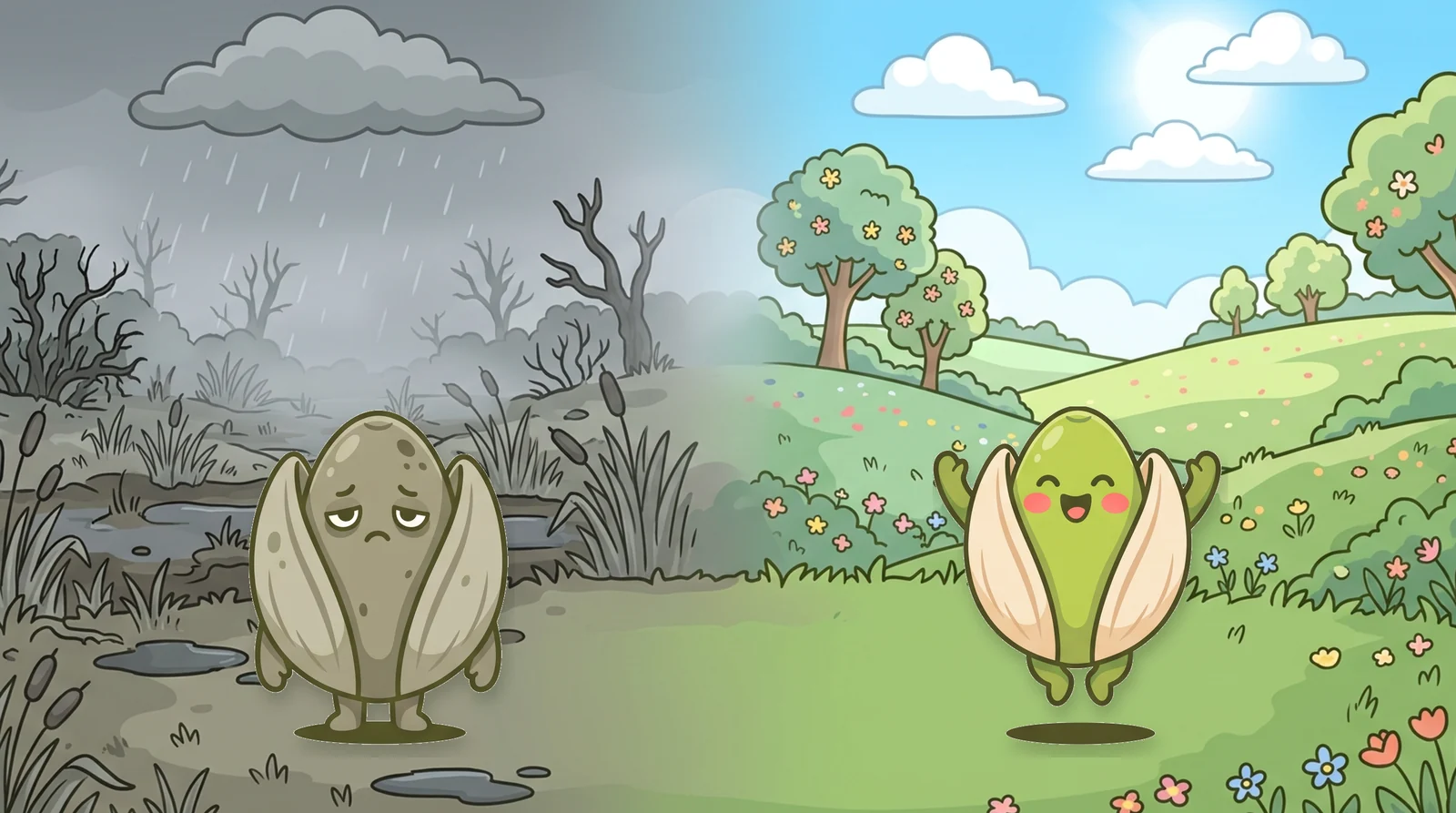
We built Brainripe around this exact idea. Instead of a guilt-trippy number, you get a little buddy whose ripeness reflects your day. Doomscroll past the limits you set and it starts to rot. Log off, do something real, and it ripens back up. Habits earn fruit you can spend building your buddy's island, so recovering your attention feels more like a game than a chore.
Brain rot FAQ
Is brain rot real? It's not a clinical condition, but the experience it describes (foggy focus and compulsive scrolling after lots of short-form content) is something many people report. Treat it as a useful label for a habit worth changing.
How long does it take to recover from brain rot? Many people notice their focus improving within a couple of weeks of cutting back and practicing longer attention. Consistency matters more than a dramatic detox.
Does brain rot only affect kids and teens? No. The term is popular with younger people, but anyone who spends a lot of time in endless feeds can feel it.
Ready to start? Read how to stop doomscrolling for nine habits that make it easier.

Give your screen time a buddy.
Brainripe ripens when you stay under your app limits and rots when you doomscroll. Build real habits, earn fruit, and grow your island.
Coming soon to theApp Store