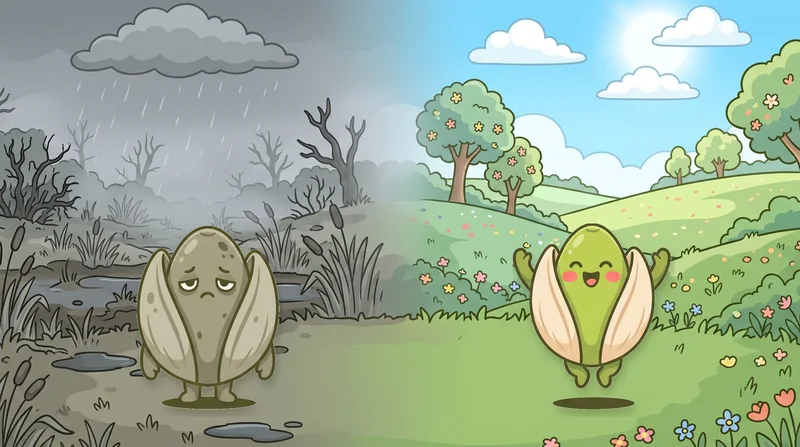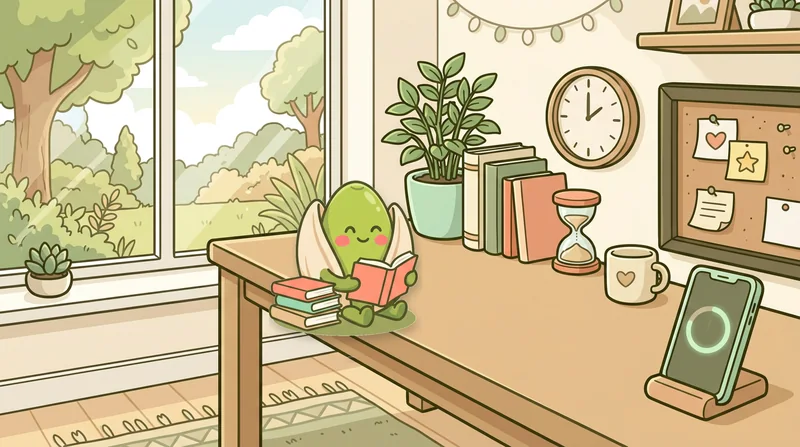

"Dopamine detox" is everywhere. It's a few days of no phone, no snacks, no music, and supposedly your brain comes back reset and focused. Some of that is useful. Some of it is hype. Here's the honest version, and a gentle seven-day plan that actually fits into a normal life.
What is a dopamine detox?
A dopamine detox is a short period where you cut back on quick, high-stimulation activities like social media, short videos, gaming, and constant snacking, so slower activities feel rewarding again.
The name is catchy but a little misleading. Dopamine is a chemical your brain uses all the time for motivation, movement, and learning. You can't (and wouldn't want to) "detox" from it. A better way to think about it is a stimulation reset: stepping away from the most effortless, attention-grabbing habits for a while so your attention can settle.
What a dopamine detox is not
- It's not a chemical reset. Your dopamine levels aren't being drained by your phone and refilled by staring at a wall.
- It's not about suffering. Sitting alone in a silent room isn't the goal. Swapping fast habits for slower, satisfying ones is.
- It's not a one-time fix. A few days off can show you what's possible, but the lasting change comes from the habits you keep afterward.
Why a short reset can still help
Even if the name is off, the idea behind it holds up. When your day is full of instant, endless stimulation, slower things like reading, deep work, cooking, and conversation can start to feel boring by comparison. Taking a break from the fastest habits tends to make those slower ones feel good again.
People who try a stimulation break often report:
- Less reflexive phone-checking
- Easier focus on long tasks
- Better sleep when screens leave the bedroom
- More enjoyment from "boring" activities
If you've been feeling the foggy, restless pull of brain rot, a short reset is a good way to break the loop.
Before you start: pick your targets
Don't try to cut everything. Choose the two or three habits that most often leave you feeling drained. For most people that's:
- One or two social or short-video apps
- Scrolling in bed
- Checking the phone first thing in the morning
Everything else (messages, maps, music, your normal life) can stay.
A gentle 7-day dopamine detox plan
Day 1: Set the scene
Set daily limits on your target apps (here's how to set App Limits on iPhone). Move those apps off your home screen. Plan where your phone will charge tonight, ideally outside the bedroom.
Day 2: Protect the first hour
No feeds for the first hour after you wake up. Make coffee, stretch, read, or walk. Notice how the morning feels without the scroll.
Day 3: Protect the last hour
No feeds in the last hour before bed. Keep a book or journal on the nightstand. If you're tempted, turn on Downtime or grayscale.
Day 4: Practice one long thing
Pick something that needs sustained attention, like reading for 30 minutes, a focused work session, or a full movie without checking your phone. It's okay if it feels uncomfortable at first.
Day 5: Add a real-life habit
Fill freed-up time on purpose. Cook a real meal, take a long walk, call a friend, or work on a hobby. Our list of things to do instead of scrolling has plenty of ideas.
Day 6: Go a little further
Try a half-day with your target apps fully off-limits. Notice what you reach for instead, and what you miss (if anything).
Day 7: Review and keep what worked
Look at your screen time compared to last week. Which changes felt easy? Keep those. Which felt miserable? Drop or soften them. The goal is a setup you can live with, not a week of white-knuckling.
After the detox: keep the gains
The week isn't the point. The habits after are. A few that tend to stick:
- Keep app limits on your top one or two apps.
- Keep your phone out of the bedroom.
- Keep at least one daily "long attention" activity.
- Check your screen time once a week.
It also helps to make progress feel rewarding. That's the idea behind Brainripe. Your buddy stays ripe when you stay under the limits you set, and real-life habits earn fruit you can spend on its island. It turns the after-detox habits into something you look forward to.
Dopamine detox FAQ
Does a dopamine detox actually work? It won't change your brain chemistry, but a short break from high-stimulation habits often makes it easier to focus and enjoy slower activities. Most of the benefit comes from the habits you keep afterward.
How long should a dopamine detox last? A few days to a week is plenty to notice a difference. Longer isn't necessarily better. Building sustainable habits matters more.
Is a dopamine detox the same as a digital detox? They overlap. A digital detox focuses on screens, while a dopamine detox usually includes other quick-reward habits too. The gentle plan above works for either.
Can I still use my phone during a dopamine detox? Yes. Calls, messages, maps, and music are fine. Focus on cutting the specific apps and habits that drain you, like doomscrolling.

Give your screen time a buddy.
Brainripe ripens when you stay under your app limits and rots when you doomscroll. Build real habits, earn fruit, and grow your island.
Coming soon to theApp Store